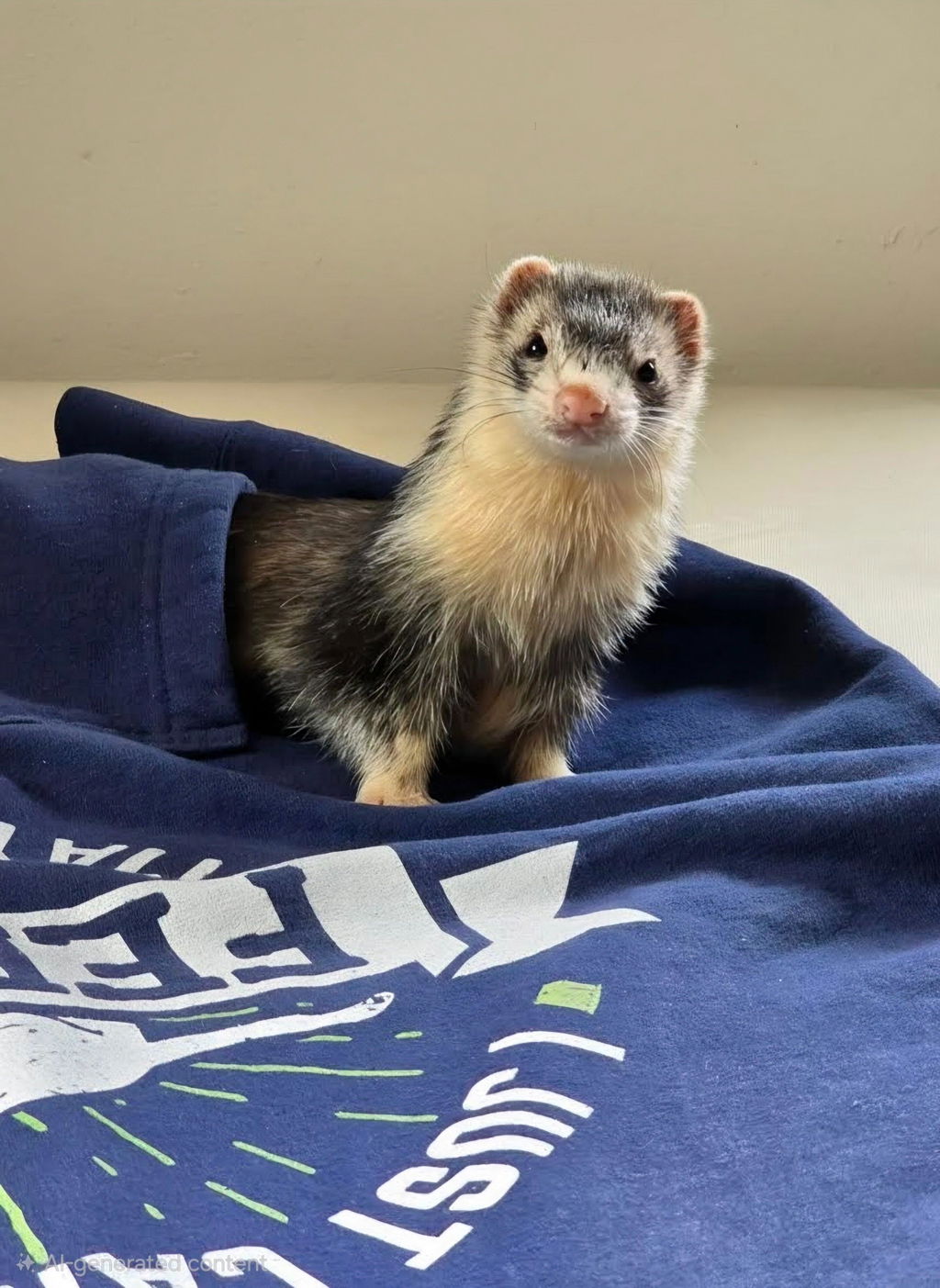
Can Ferrets Eat Fish?

Can Ferrets Eat Fish?
Yes, with some conditions. Fish is an animal protein and fits a ferret's obligate carnivore diet. Salmon and pollock are the safest and most nutritious options. Feed fish as a supplement or treat, not as the primary protein source.
Why Fish Works for Ferrets
Fish delivers high-quality animal protein, omega-3 fatty acids, and essential nutrients including taurine. Omega-3s support skin health, coat quality, and inflammation response. Ferrets fed diets rich in animal-sourced omega-3s tend to have shinier coats and healthier skin year-round.
Salmon and pollock are particularly well suited for ferrets. Both are high in protein, digestible, and palatable. Most ferrets take to fish readily, which makes it useful for enticing picky eaters or transitioning ferrets onto new foods.
Best Fish for Ferrets
Salmon is the top choice. It is rich in omega-3 fatty acids and protein. Feed raw, freeze-dried, or as salmon oil. Wild-caught is preferable to farmed when possible.
Pollock is a lean white fish with high protein content and mild flavor. It is a good option for ferrets that find salmon too rich or strongly flavored.
Sardines packed in water with no added salt are acceptable occasionally. Avoid sardines in oil or sauce.
Fish to Avoid
Tuna is the most important fish to limit. Canned tuna contains mercury, sodium, and often additives that are harmful to ferrets. High mercury intake accumulates over time and causes neurological damage. An occasional small amount of plain tuna in water is unlikely to cause immediate harm, but it should not be a regular part of a ferret's diet.
Smoked fish is too high in sodium. Salt is harmful to ferrets in the quantities found in smoked or cured fish products.
Breaded or seasoned fish contains carbohydrates, salt, and additives. Never feed fish sticks, fish cakes, or any processed fish product.
Raw fish fed exclusively over long periods can cause thiamine deficiency. Raw fish contains thiaminase, an enzyme that breaks down thiamine (Vitamin B1). Rotating fish with other proteins prevents this.
How to Feed Fish
Freeze-dried fish treats are the easiest and safest option. They are shelf-stable, require no preparation, and deliver the nutritional benefits of raw fish without handling concerns. TPF freeze-dried salmon and pollock treats are single-ingredient with no additives. Browse freeze-dried treats.
Salmon oil is another practical option. A small amount drizzled over food delivers omega-3s daily without the mess of handling raw fish. Browse salmon oil.
If feeding raw fish, use fresh or properly frozen fish from a reputable source. Remove bones or use boneless cuts. Feed as part of a varied rotation diet alongside other proteins.
How Much to Feed
Fish should be one protein among several in a rotation diet, not the daily staple. Two to three times per week as a treat or supplement is appropriate for most adult ferrets. Salmon oil can be fed daily in small amounts — roughly half a teaspoon for an adult ferret.
Not sure if another food is safe for your ferret? Use the Is This Safe lookup tool at tools.thepamperedferret.com.
Sources: Iske C. An update on key nutritional factors in ferret nutrition. Vet Clin Exot Anim. 2024;27:31-45. Johnson-Delaney CA. Ferret Medicine and Surgery. CRC Press, 2017.
Developed in consultation with exotic veterinarians and veterinary nutritionists. Learn more about our formulas.