FAQ
HAVE A QUESTION? WE'RE HERE TO HELP. IF YOU CAN'T FIND THE ANSWERS YOU NEED BELOW, FEEL FREE TO REACH OUT AND ASK DIRECTLY BY EMAILING support@thepamperedferret.com
International Customers
We ship select wellness products internationally. See our International Shipping & Duties FAQ for details.
Why feed raw?
Ferrets thrive on meat-based diets. They're obligate carnivores, which means they need high protein and fat to stay healthy and zippy. Raw diets mimic what they'd eat in the wild, without fillers or mystery ingredients, and support healthy weight, shiny coats, and that signature ferret energy we all know (and sometimes fear).
Why freeze-dried instead of frozen raw?
Freeze-dried raw food gives you all the nutrition of fresh raw, minus the freezer mess and daily thawing. It's shelf-stable, lightweight, and easy to prepare. Just add warm water, mix, and watch your ferret come running.
Why is a high-meat diet important?
Ferrets rely on animal protein and fat for energy and proper body function. Plants and carbs just don't cut it. Dook Soup is meat-forward and free of unnecessary fillers to keep your ferret feeling their best.
Is feeding raw or freeze-dried more expensive?
It might seem so up front, but because there are no fillers, you actually feed less by weight than with many processed foods. Plus, good nutrition now can help save on vet bills later.
How is Dook Soup different from other freeze-dried raw foods?
Dook Soup is the only complete and balanced freeze-dried raw diet formulated specifically for ferrets. Every other freeze-dried option on the market is dog or cat food being repurposed. Ferrets have unique nutritional needs that dog and cat formulas do not meet. Dook Soup was developed in consultation with exotic veterinarians and veterinary nutritionists, built from the ground up for ferret biology: high animal protein, moderate fat, and zero plant-based fillers.
What does "complete and balanced" mean?
It means Dook Soup is formulated to meet all of your ferret's nutritional needs as a daily diet, with no supplements required. The protein, fat, vitamins, and minerals are all present in the right amounts and ratios. A food that is not complete and balanced is fine as a treat or topper, but should not be the sole diet. Dook Soup can be.
Can I mix Dook Soup with other foods?
Yes. Dook Soup works great as a topper or on its own. During transition, offer Dook Soup and kibble in separate meals a few hours apart rather than mixing them together. This keeps digestion smooth and helps your ferret adjust faster.
Help! My ferrets are picky and don't want to try Dook Soup or treats.
Not to fret — ferrets are famously picky. Here are some tried-and-true tricks:
-
Mix into a soupie: Blend Dook Soup with their current food (especially if they eat kibble soaked in warm water). Slowly increase the Dook Soup portion over time.
-
Use a small spoon or your finger: Sometimes the personal touch makes all the difference.
-
Add a bit of salmon or coat oil: If they love oil, drizzle a few drops to tempt them.
-
Boop-snoot method: Put a little on their nose so they have to lick it off — often the first taste wins them over.
Is your food good for allergy-prone ferrets?
Yes. Our recipes avoid common fillers and allergens and are formulated with limited, high-quality ingredients. If your ferret has specific known allergies, check the ingredient list on each product page and consult your vet before switching.
Do your treats contain any allergens?
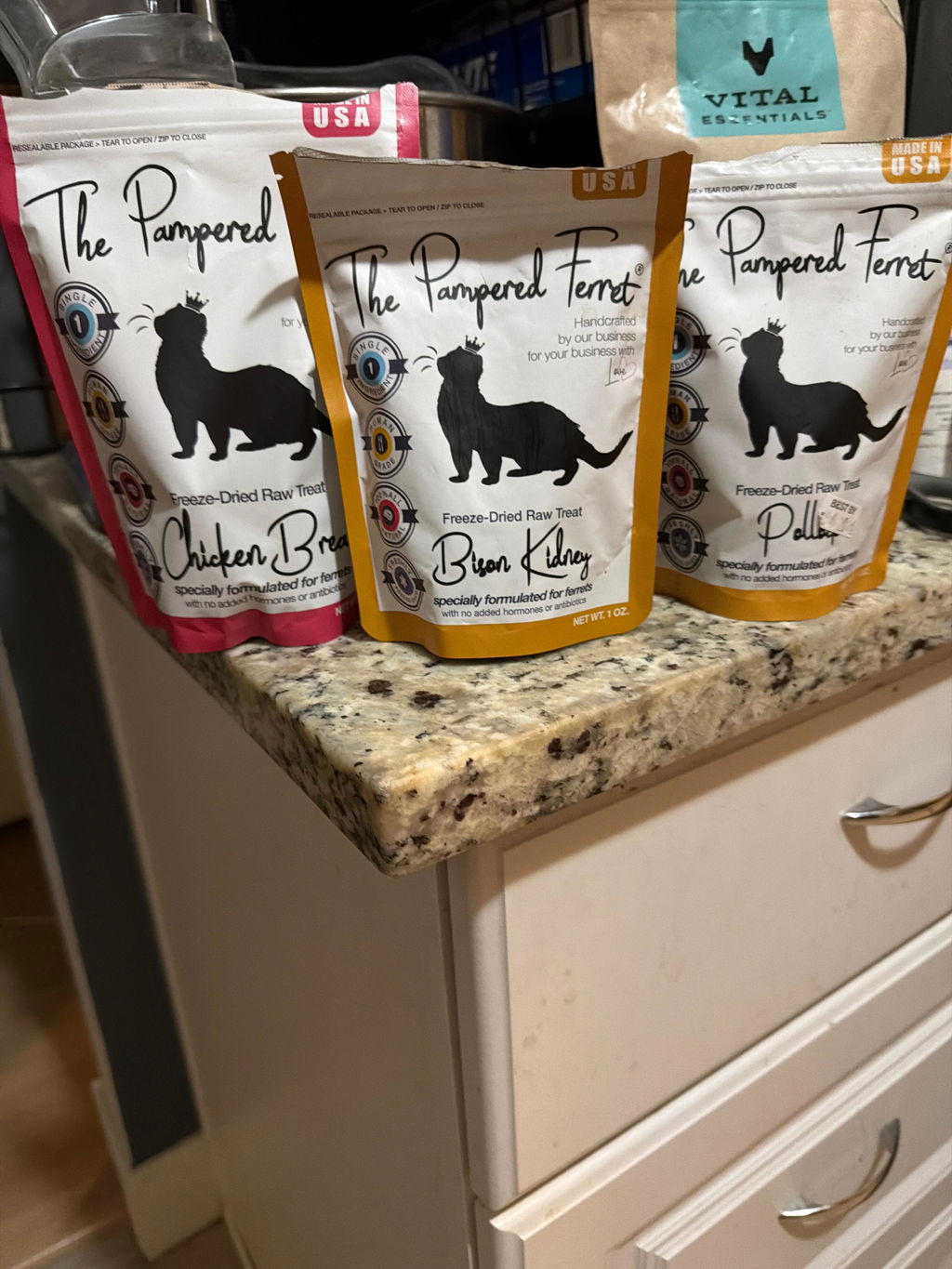
Our treats are single-ingredient or limited-ingredient and free from grains, corn, peas, soy, gluten, and artificial additives. Chicken breast jerky contains chicken and salmon oil. Our blend treats contain species-appropriate proteins only. Full ingredient lists are on each product page. If your ferret has a known protein sensitivity, check before feeding and ask us if you are unsure.
Is Dook Soup appropriate for ferrets with insulinoma?
Dook Soup's nutritional profile aligns well with the dietary goals for insulinoma management: high animal protein, moderate fat, and no grains, sugars, or starchy fillers. Many customers with insulinoma-diagnosed ferrets feed Dook Soup as their primary diet. That said, insulinoma is a serious medical condition and dietary decisions should always be made in consultation with your exotic veterinarian. We are not able to provide medical advice, but we are happy to share our nutritional data to support that conversation.
Do I need to add any supplements?
Nope. Dook Soup is designed as a complete and balanced diet, formulated in consultation with exotic veterinarians and veterinary nutritionists. No extra powders or pills needed.
Can I use Dook Soup as my ferret's main diet?
Yes. Many customers feed Dook Soup as the primary food. We recommend feeding it 2 to 3 times a day, with fresh water always available. Some customers keep kibble available as a free-choice backup, though many ferrets ignore it once they discover Dook Soup.
Serving sizes vary. A larger ferret typically needs about 2 heaping tablespoons (dry) per meal. Smaller ferrets usually eat 1 to 1.5 tablespoons. Ferrets don't typically overeat, so adjust to find their perfect portion.
How many servings are in a 16oz bag?
On average, each 16oz bag has about 56 tablespoons (3.5 cups). Your mileage will vary based on your ferret's size and appetite.
How do I prepare Dook Soup?
Add warm (not boiling) water to Dook Soup at about a 3:1 water-to-powder ratio. Mix until you get a gravy-like consistency, thicker or thinner depending on your ferret's preference.
Do I have to soak freeze-dried food?
We strongly recommend it. Ferrets naturally don't drink much water, so soaking helps with hydration and makes it easier to digest. It also releases all those meaty smells they can't resist.
What temperature water should I use?
Warm water works best — think cozy bath water, not boiling. It enhances aroma and makes the food more appealing to picky eaters.
Why does my ferret's poop look different?
When switching to raw or freeze-dried, poops often become smaller, firmer, and less frequent. That's normal and means they're absorbing more nutrients and producing less waste. Win-win.
My ferret seems hungrier than before. Should I worry?
Dook Soup is pretty irresistible, so they might try to convince you they need more. Ferrets typically self-regulate well, but feel free to adjust portions. If hunger seems excessive or your ferret is losing weight, check with your vet.
My ferret isn't drinking as much water. Normal?
Totally. Once they start eating rehydrated food, they get a lot of moisture from meals and naturally drink less. Keep fresh water available at all times regardless.
Can I feed Dook Soup dry?
We don't recommend it. Feeding dry can contribute to dehydration. Rehydrating is always the better way to go.
How should I transition from kibble?
Take it slow. Start with about 25% Dook Soup and 75% of their usual food, soaked if possible. Gradually shift the balance over 7 to 10 days. Some ferrets need a bit more time. Patience and persistence are key.
How long does Dook Soup last?
Unopened, up to a year from the production date (check the best by date on the bag). Once opened, use within three months for best freshness. Prepared soup can be stored in the fridge for up to three days.
Why does the food sometimes look different batch to batch?
We use real, whole ingredients without fillers or artificial colors. Variations in color or texture from batch to batch are normal and nothing to worry about. It is the same reason two cuts of the same meat can look slightly different.
What are your quality control and food safety protocols?
We source only human-grade chicken from trusted U.S. farms. All ingredients meet USDA and FDA standards and arrive free from pesticides, hormones, and antibiotics.
Our freeze-dried products are processed in human-grade facilities and undergo a post-drying thermal treatment at 180°F for a minimum of 8 minutes, exceeding the FDA benchmark for pathogen elimination including Salmonella and avian influenza.
Every production batch of Dook Soup is independently tested at Midwest Laboratories, an ISO 17025 accredited facility, for both nutritional accuracy and microbiological safety. Results are on file and available upon request. Learn more on our Food Safety page.
When will my order ship?
We make everything in small batches to ensure quality. Processing time is usually 4 to 6 business days and is listed on each product page. We often ship faster than that. If you have questions or your order is taking longer than expected, email us at support@thepamperedferret.com.
I selected Priority Shipment, but my order hasn't shipped yet.
Shipping speed refers to transit time after your order is processed, not total time from purchase. Our processing time is usually 4 to 6 business days and is noted on each product page. Need it faster? Reach out to support@thepamperedferret.com and we'll do our best to help.
Do you ship internationally?
Yes. We ship worldwide. To protect your order, we require Route Package Protection on all international shipments.
My order was lost or delivered to the wrong address.
We know how stressful that can be. That's why we recommend Route Package Protection. If you opted in, filing a claim is quick and easy. If you didn't, reach out to support@thepamperedferret.com and we'll do everything we can to help.
What size are the stashing balls?
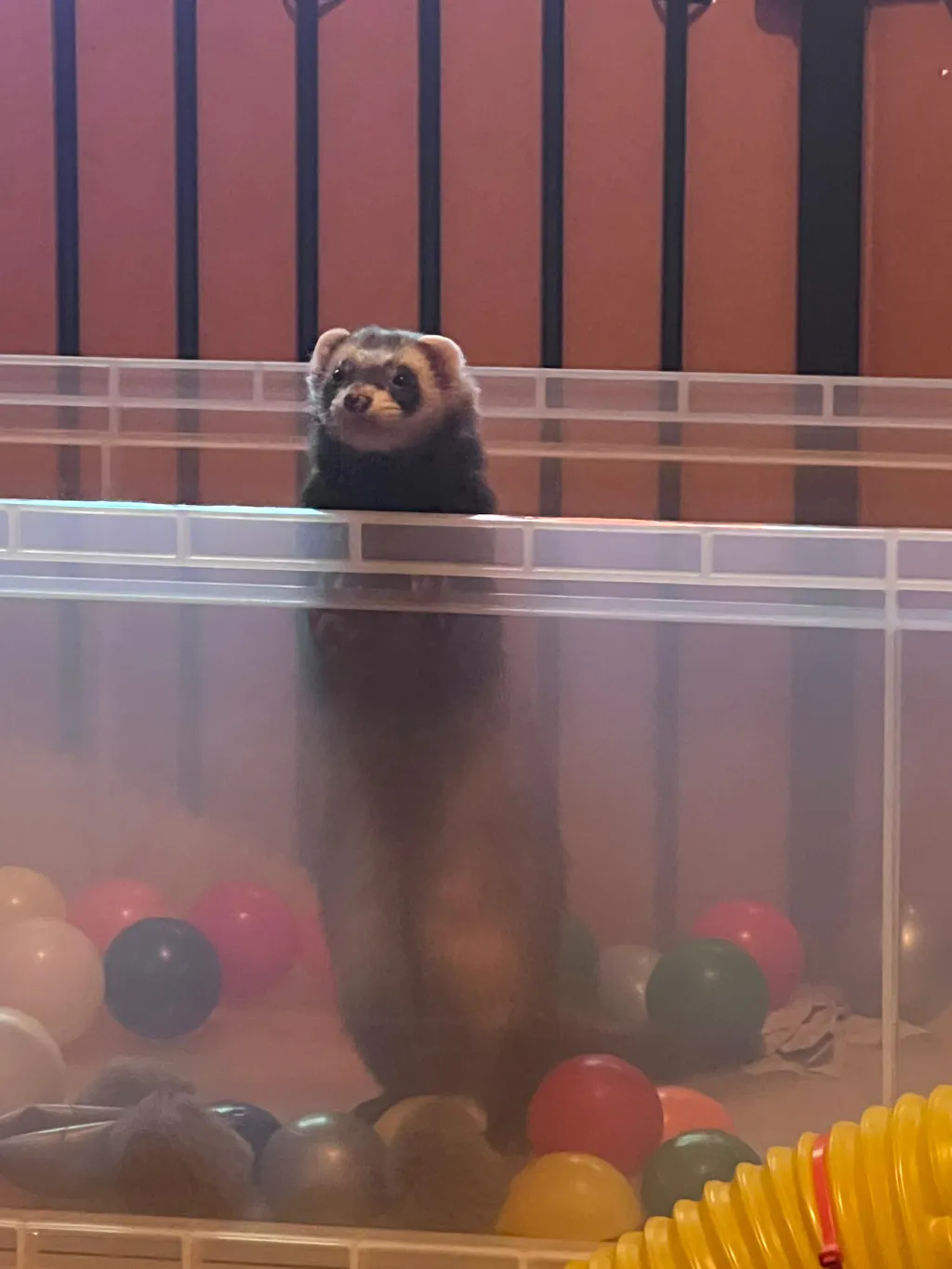
The full-size stashing balls are about 3" in diameter, and the small/mini ones are about 1.75" in diameter. Perfect for hiding, hoarding, and general ferret mischief.