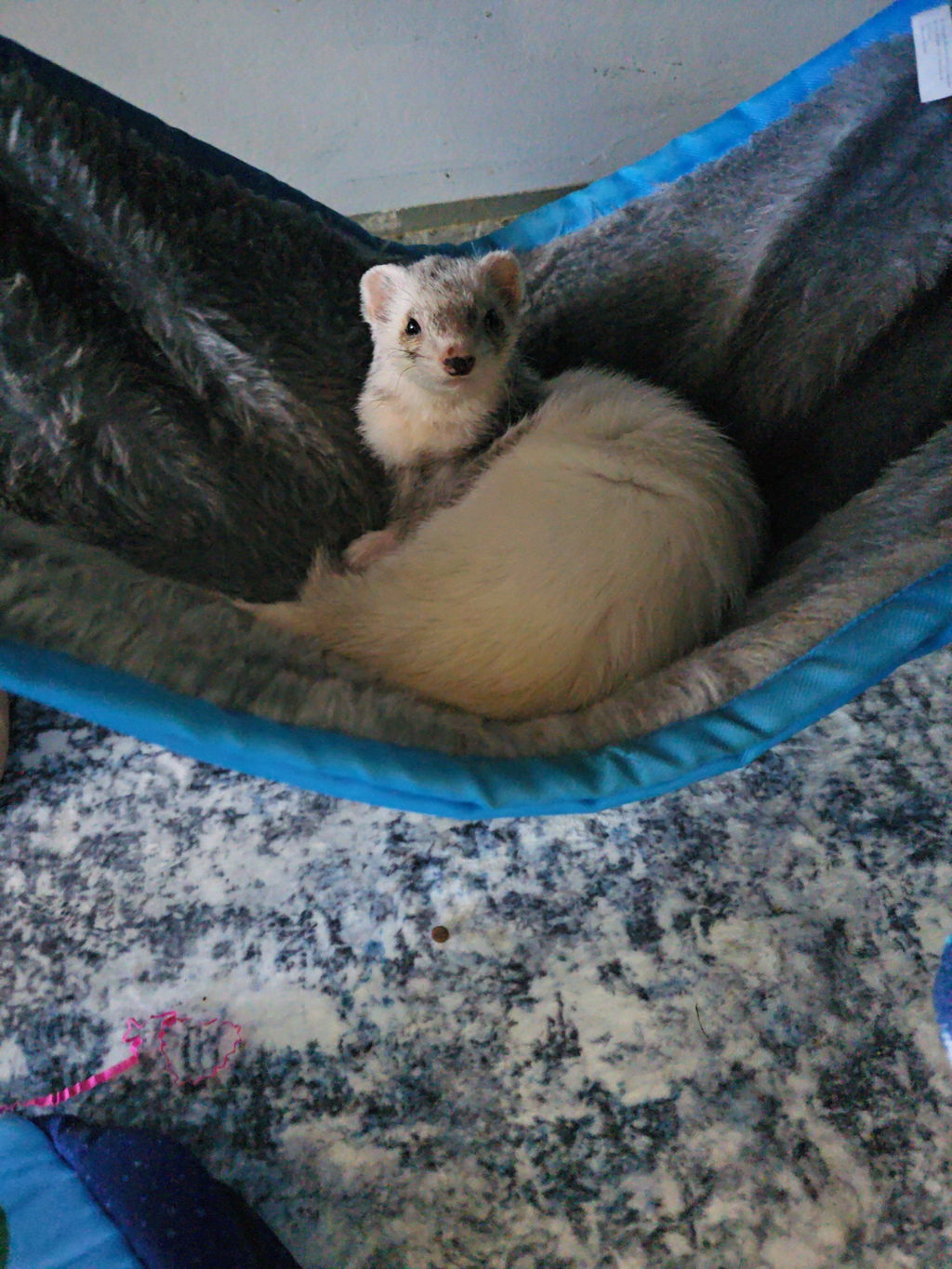
Caring for Senior Ferrets — Nutrition, Comfort, and Enrichment

Introduction
Ferrets age faster than most pets. A ferret that reaches four or five years old is considered a senior. By six or seven, many ferrets are managing one or more age-related health conditions. The window between "showing early signs of aging" and "in active decline" can be short.
That makes early intervention the most valuable thing you can do. The right diet, the right supplements, and the right environment changes — made before a ferret is in crisis — buy meaningful time and quality of life. This guide covers all three.
When Does a Ferret Become a Senior?
Most ferrets enter their senior stage between three and four years old. This is earlier than most owners expect. The domestic ferret's average lifespan is six to eight years, though diet and genetics play a significant role in where any individual ferret lands in that range.
Signs your ferret is entering their senior stage:
- Sleeping more and playing with less intensity
- Muscle loss, particularly along the spine and hindquarters
- Weight changes in either direction — loss from muscle wasting or gain from reduced activity
- Coat thinning or increased shedding outside of normal molt cycles
- Dry, flaky skin
- Stiffness or slower movement, especially after waking
- Increased water consumption
- Episodes of weakness, glazed eyes, or pawing at the mouth (potential insulinoma symptoms — contact your vet immediately)
Not every senior ferret will show all of these. Some age gracefully with few visible changes. But once a ferret hits three years old, annual wellness exams with an exotic veterinarian are worth scheduling. Many conditions caught early are manageable for years.
The Most Common Senior Ferret Diseases
Three diseases account for the majority of illness in senior ferrets. Understanding them helps you recognize early symptoms and make diet choices that reduce risk.
Insulinoma is a tumor of the pancreatic beta cells that causes the pancreas to overproduce insulin. Blood glucose drops. A ferret in a hypoglycemic episode may stare blankly, drool, paw at their mouth, become weak in the hindquarters, or lose consciousness. Research by Schoemaker (2004) linked high-carbohydrate diets to insulinoma development. The dietary intervention is a high-protein, very low carbohydrate diet — the same diet ferrets should be on their entire lives, which is why early dietary choices matter.
Adrenal disease is the most common ferret disease overall, affecting the majority of ferrets by age five or six. The adrenal glands produce excess sex hormones. Signs include symmetrical hair loss starting at the tail, itchy skin, muscle wasting, and in females, a swollen vulva. Diet does not prevent adrenal disease, but a high-protein diet supports muscle maintenance as the disease progresses.
Lymphoma affects the lymphatic system and presents differently depending on which organs are involved. Weight loss, lethargy, and enlarged lymph nodes are common signs. A species-appropriate diet supports immune function generally, though lymphoma is not diet-preventable.
All three conditions require diagnosis and management by an exotic veterinarian. Diet changes support but do not replace veterinary care.
Adjusting the Diet for a Senior Ferret
The core nutritional requirements for ferrets do not change with age. High protein from animal sources, high fat, minimal carbohydrates. What changes is how food is delivered.
Senior ferrets often develop dental disease, which makes chewing harder. They lose muscle mass, which means caloric needs may shift. Some develop GI sensitivity. The dietary response to all of these is to make food more digestible and more calorie-dense per bite.
Rehydrated freeze-dried food is ideal for senior ferrets. Dook Soup* mixed to a soft, gravy-like consistency is easy on aging mouths, highly digestible, and calorically complete. A ferret that cannot eat enough kibble to maintain weight because of dental pain can often eat rehydrated Dook Soup without issue. The 66% protein minimum and 23% fat minimum support muscle maintenance and energy levels. Learn more about Dook Soup here.
For ferrets managing insulinoma specifically, the dietary targets are protein above 42% on a dry matter basis, fat between 18 and 30%, and carbohydrates under 8% (Johnson-Delaney 2017, Schoemaker 2004). Dook Soup meets all three. Small, frequent meals throughout the day help keep blood glucose stable — free-choice access to rehydrated food is the most practical approach for most households.
If a ferret is losing weight despite adequate food access, increase fat content. Add a small amount of salmon oil to each meal. Fat is calorie-dense and ferrets process it efficiently. A few drops per meal can meaningfully increase caloric intake without increasing meal volume.
Supplements That Support Senior Ferrets
Salmon oil* provides omega-3 and omega-6 fatty acids that support skin, coat, joint, and immune health. These benefits are visible — coat shine improves, dry skin reduces, and shedding decreases. For senior ferrets with dry or thinning coats, salmon oil is the single most impactful supplement available. The Pampered Ferret Salmon Oil is wild-caught, pharmaceutical-grade, and gently filtered to reduce odor while keeping palatability high. Shop Salmon Oil here.
Coat oil* is applied topically rather than ingested. The TPF Coat Oil blend supports skin hydration and coat conditioning from the outside. Senior ferrets with particularly dry or flaky skin benefit from both oral salmon oil and topical coat oil used together. Shop Coat Oil here.
Paw balm* protects paws that have become dry or cracked with age. Apply a small amount to paw pads and allow to absorb. It is lick-safe. Senior ferrets that spend more time lying on cage floors can develop dry, irritated paws — paw balm addresses this directly.
Environment and Comfort Adjustments
A senior ferret's environment needs to account for reduced mobility and increased time sleeping.
Lower cage ramps and reduce the height of cage levels if your ferret is showing hindquarter weakness. Falls from height become more dangerous as muscle tone decreases. Hammocks positioned closer to the floor are a practical adjustment.
Provide soft, warm bedding in a dedicated sleep space. Ferret caves are particularly useful — the enclosed space retains warmth and gives a senior ferret the sense of security that comes from being tucked in. A ferret that naps 18 hours a day needs that sleep environment to be genuinely comfortable.
Ambient temperature matters more for senior ferrets. They regulate body temperature less efficiently as they age. Keep their environment consistently warm and watch for signs of discomfort in cold rooms.
Maintain easy access to water and food at all times. A senior ferret that has to travel far to eat or drink may simply eat and drink less.
Dental Health in Senior Ferrets
Dental disease is nearly universal in ferrets by age four or five. Tartar buildup, gum recession, and tooth loss are common. A ferret with dental pain will eat less, lose weight, and may show reluctance to chew hard foods.
The most effective prevention is diet. Ferrets fed raw or freeze-dried diets throughout their lives accumulate significantly less tartar than ferrets fed kibble long-term. Kibble does not clean teeth the way some manufacturers suggest — the contact is too brief and the starch content feeds oral bacteria.
For ferrets already showing dental buildup, chewy air-dried jerky treats provide a scraping action that helps slow tartar accumulation. These are not a substitute for a professional dental cleaning under anesthesia, but they slow the process. The TPF dental treat blends are 100% muscle meat with no starch binders — appropriate for seniors including those managing insulinoma.
If your ferret has significant dental disease, consult your exotic veterinarian about a professional cleaning. The procedure carries anesthetic risk, but untreated dental pain carries quality-of-life costs that often outweigh that risk.
Enrichment for Senior Ferrets
Senior ferrets sleep more, but they still need mental stimulation during waking hours. Boredom causes stress, and stress worsens immune function. The goal is enrichment scaled to what your ferret can actually do.
Foraging is lower-impact than active play but engages the same instincts. Hide freeze-dried treats in soft bedding, under cups, or inside foraging tubes. A ferret hunting for a piece of chicken heart is mentally active without needing to run laps.
Keep play sessions shorter and gentler. A ten-minute supervised out-of-cage session that ends before exhaustion is better than a long session that leaves a senior ferret depleted. Watch for panting, dragging hindquarters, or reluctance to continue as signals to stop.
Social connection matters. Senior ferrets bond deeply and are sensitive to changes in household routine. Consistent handling, lap time, and presence are as enriching as any toy. A senior ferret that is picked up, held, and talked to regularly is a less stressed ferret.
Stashing balls and lightweight toys that don't require much effort to move remain good options for seniors who want to engage but can't sustain intense play.
When to Call the Vet
Senior ferret owners should know the signs that warrant same-day veterinary contact:
- Hypoglycemic episode — glazed eyes, drooling, pawing at mouth, weakness, or collapse
- Sudden significant weight loss
- Complete refusal to eat for more than 12 hours
- Labored breathing
- Bloody stool or urine
- Swollen abdomen
- Inability to use hindquarters
Ferrets decline quickly. A ferret that was eating normally yesterday and is refusing food today needs to be seen. Do not wait to see if it resolves.
Find an exotic veterinarian before you need one urgently. General practice vets often have limited ferret experience. The Association of Exotic Mammal Veterinarians (AEMV) maintains a directory at aemv.org.
Related Reading
- What Do Ferrets Eat — foundational ferret nutrition, including the protein and fat minimums every ferret needs
- Best Ferret Food 2026 — see how each food stacks up on the numbers that matter most for senior ferrets
- The Truth About Ferret Treats — treat selection for ferrets with insulinoma requires extra care; here's what to know
- The World's First Air-Dried Complete Diet for Ferrets — high-protein, low-moisture format launching Fall 2026
*Developed in consultation with exotic veterinarians and veterinary nutritionists. Learn more about our formulas.